Six forms, six examples Short poems on the American Civil War
Haiku is not the only short form that suits this subject, and it is not always the best one. Some material wants a fifth line. Some wants a joke. Some wants the flat language of a casualty return and nothing else. This page sets out six short forms and shows each one doing work the others cannot.
Six forms Six examples All six examples were written for this page.
The archive of this war is enormous and the reader's attention is not. A short poem is an honest response to that mismatch: it does not pretend to cover the subject, it takes one thing out of it and puts that thing down carefully.
1. Why short forms fit this war
Three reasons, and none of them is fashion.
- The war wrote short itself. A telegram cost money by the word. A grave was marked with a wooden headboard and a name in pencil. A casualty return used four categories and no adjectives.
- The scale defeats summary. Any sentence that tries to hold 750,000 deaths becomes a statistic. One canteen does not.
- The record is granular. We know what the weather was, what was growing, what men ate, what time an attack started. Short forms live on exactly that kind of detail.
2. Six forms compared
| Form | Shape | Origin | Best used for |
|---|---|---|---|
| Haiku | Three lines, short, long, short | Japan, from the opening verse of a linked chain | A single seen moment, with no comment attached |
| Senryu | Three lines, same shape | Japan, named after Karai Senryu, 1718 to 1790 | People behaving like people: officers, rations, boredom |
| Tanka | Five lines, five, seven, five, seven, seven | Japan, older than haiku | Feeling stated openly: a letter, a longing, a grief |
| Cinquain | Five lines, two, four, six, eight, two syllables | Adelaide Crapsey, 1878 to 1914, published in 1915 | A build and a sudden stop. An American form, and a contemporary one |
| Epitaph | Two to four lines, plain statement | Older than any of the above | A name, a date, and what will not be said |
| Found poem | Whatever the source gives | Twentieth century practice, applied to nineteenth century paper | Official language left exactly as it is, with the line breaks doing the work |
Wide table: scroll sideways to read it all.
3. Haiku, and senryu
The two look identical on the page. The difference is where the attention goes. A haiku watches the world; a senryu watches people in it. Camp life is nearly always senryu, and calling it that removes the obligation to be solemn.
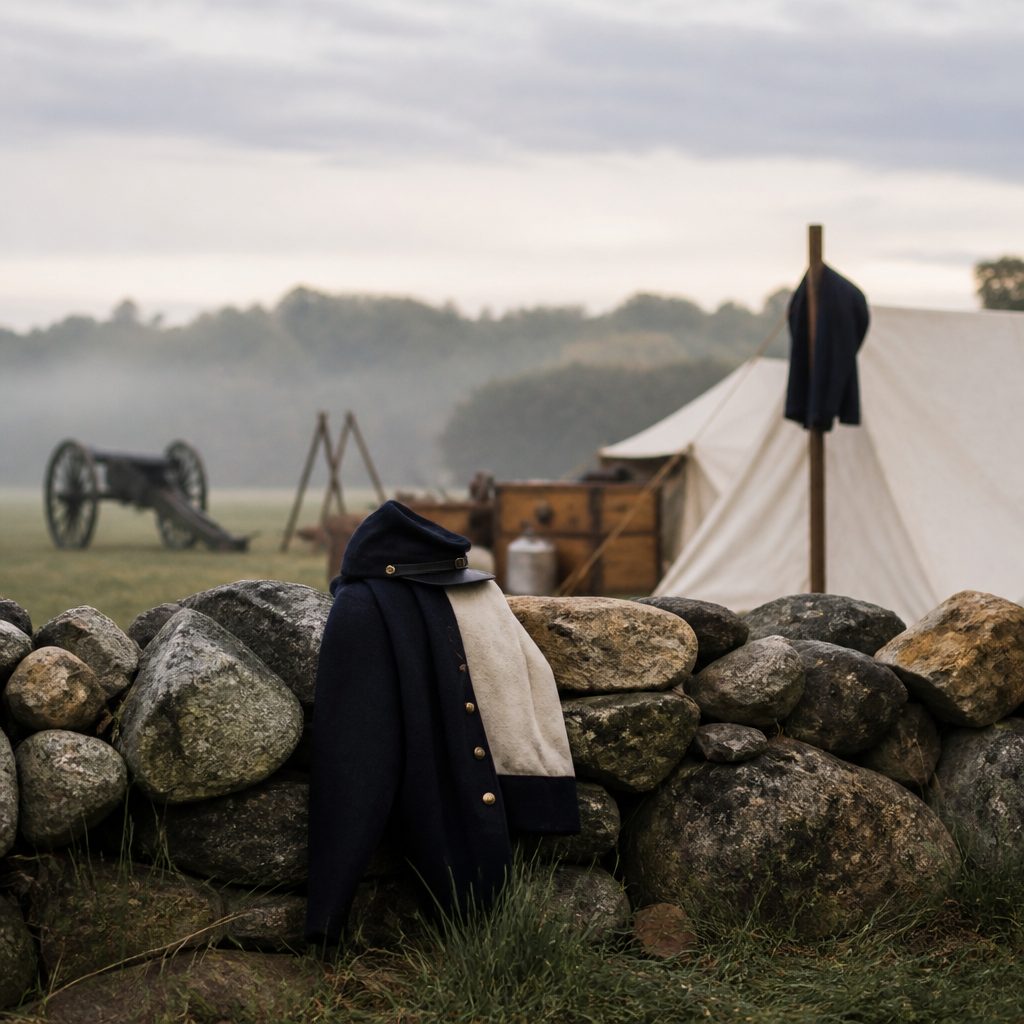
March mud
Written for this collection. Ground: haiku. Roads in Virginia in early spring stopped armies more reliably than enemies did.
the whole column halted
for one horse
the colonel's speech
Written for this collection. Ground: senryu. The same three lines, aimed at people rather than at weather.
every man in the ranks
thinking about supper
4. Tanka: two more lines
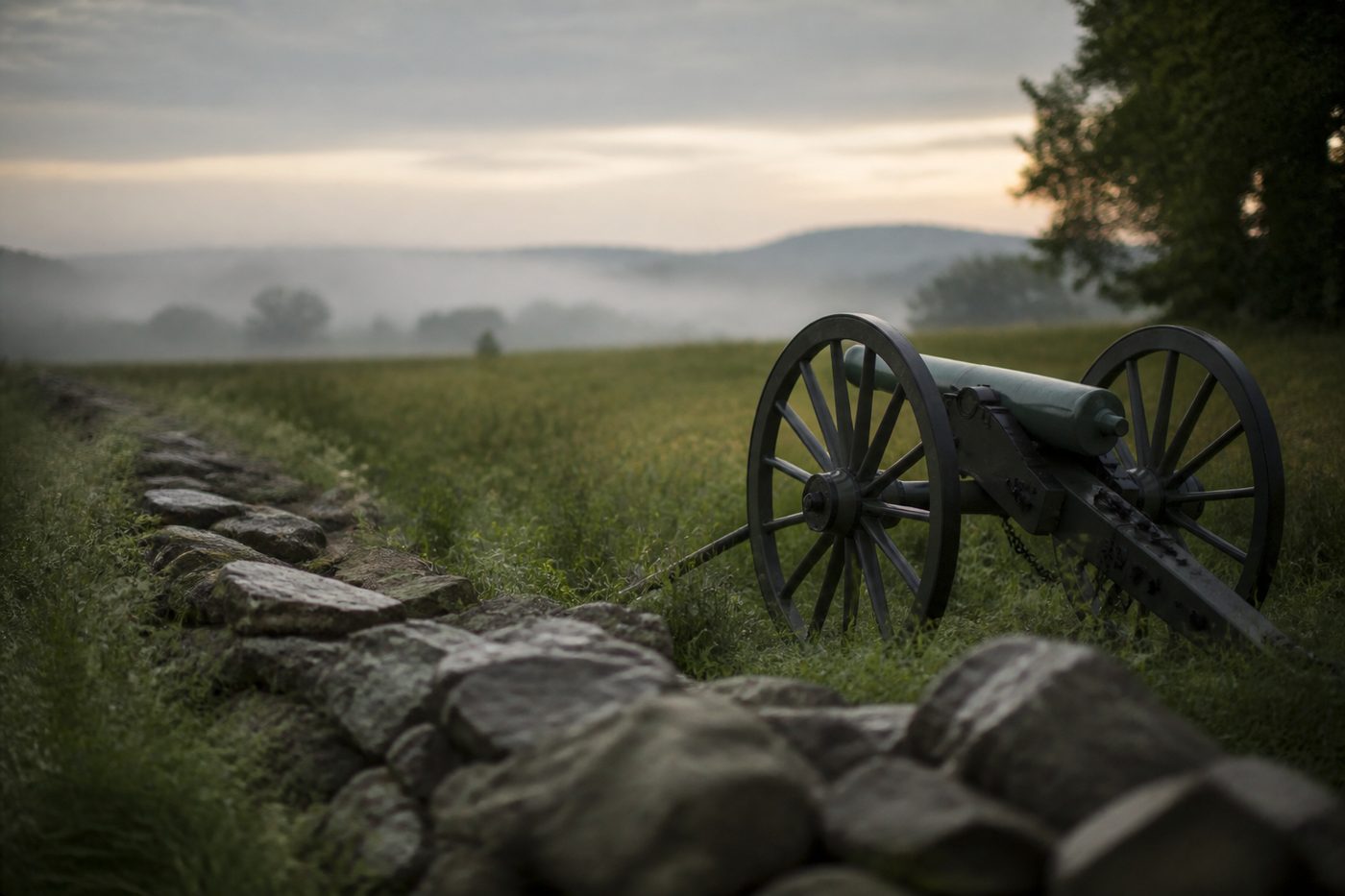
Tanka is older than haiku and it is allowed to say what it feels. Those extra fourteen sound units are exactly enough for a statement, which is why letters, absence and longing sit better in tanka than in haiku. If your haiku keeps wanting a fourth line, it is a tanka.
I have kept your letter
Written for this collection. Ground: tanka, five lines. The extra two lines allow a statement that a haiku would have to leave out.
in the lining of my coat
so long that the fold
has worn a hole in the paper
exactly where your name was
5. The American cinquain
The cinquain in its modern form was invented by Adelaide Crapsey, an American poet who died in 1914 at thirty six; her collection Verse appeared the following year. Her cinquain runs five lines of two, four, six, eight and two syllables: it grows, and then it drops.
For a classroom this is often a better first form than haiku, because the count is in English syllables and there is no translation problem to argue about. the classroom sequence
Cold field
Written for this collection. Ground: American cinquain, two, four, six, eight, two syllables, after the form invented by Adelaide Crapsey.
the drummer boy
counts the sound of his own
feet on the frozen road, and then
stops here
6. Epitaph
Battlefield graves were marked with wooden headboards, names written in pencil or cut with a knife. Weather took most of them within a few years, which is a large part of why so many Civil War graves are marked unknown today.
An epitaph is the most constrained short form available, because it is written to be read by someone standing up. It has no room for anything except a fact and its absence.
He was nineteen in April.
Written for this collection. Ground: epitaph. Battlefield graves were marked with wooden headboards that weathered away within a few years.
The board that said so
lasted four winters.
7. Found poems, and their ethics
A found poem takes existing language and re-lineates it. The Civil War offers extraordinary material for this: casualty returns, requisitions, hospital registers, the terse categories of the muster roll. Broken into lines, official language becomes unbearable, which is the point.
There is a rule attached, and this site keeps it. If you use a real document, name it. If you use a real person's words, name the person. If you assemble something from the general vocabulary of the period rather than from one document, say that too. The example below is built from the standard categories of a nineteenth century casualty return and is not taken from any single paper.
present
Written for this collection. Ground: found poem, assembled from the standard categories of a nineteenth century casualty return. It is not taken from any one document.
absent, sick
absent, wounded
not since accounted for
Three rules for found material
- Never put an invented sentence inside quotation marks and attach a real name to it.
- Never date a constructed line as though it were a document.
- Where the source is generic rather than specific, say so in the note under the poem.